
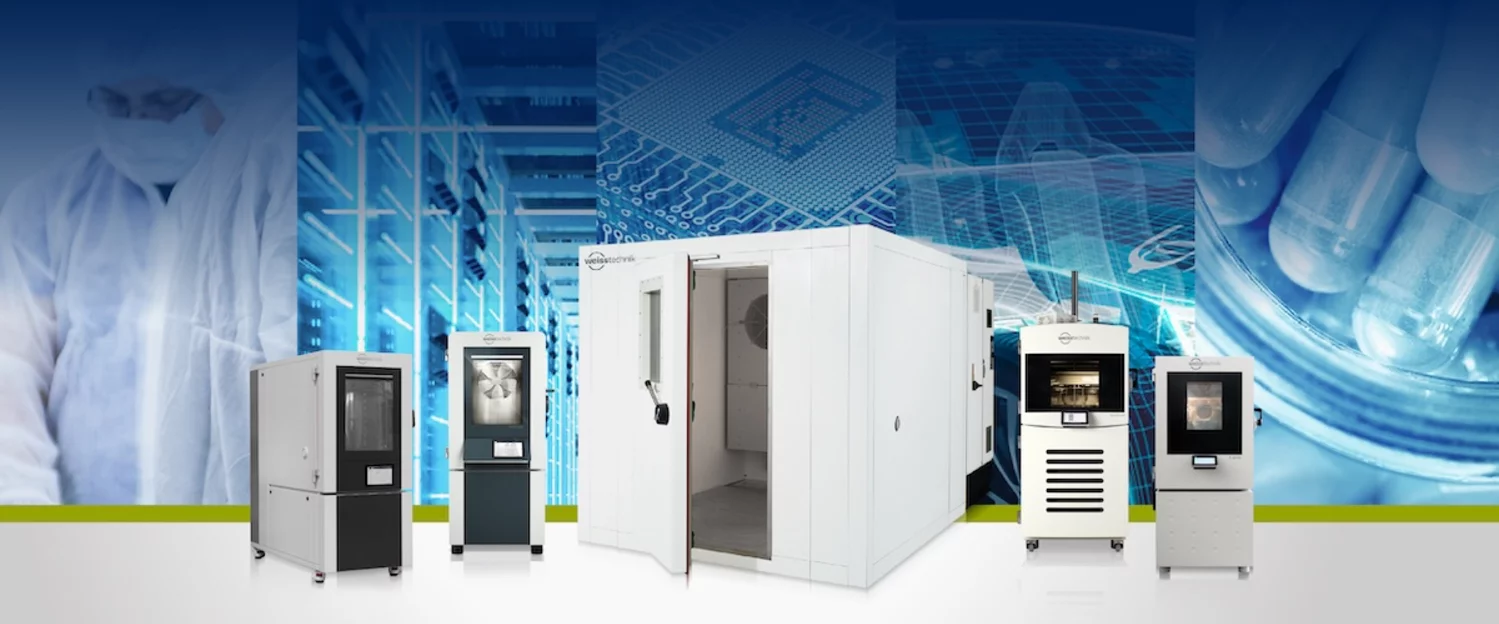
What is an Environmental Test Chamber and Why It Matters for Product Reliability
An environmental test chamber is a controlled system that simulates real-world conditions like temperature, humidity, vibration, and pressure. It helps manufacturers evaluate how products perform under stress, ensuring long-term product reliability and durability before launch.
Why Environmental Simulation Testing is Essential for Reliability
In today’s competitive market, reliability defines a product’s success. Using an environmental test chamber allows manufacturers to detect weaknesses, material fatigue, and design flaws before products reach customers. This testing ensures that products consistently perform under stress, reducing warranty costs and improving safety.
Common Applications Across Industries
- Electronics: Thermal cycling and humidity testing for circuit reliability
- Semiconductor: Thermal cycling and humidity stress testing for wafer, IC, and packaging reliability
- Automotive: Durability testing for components under temperature shock and vibration
- Aerospace: Altitude and pressure simulation for avionics
- Medical & Pharma: Stability tests for drugs and devices
Benefits of Using Environmental Test Chambers
- Improves product lifespan and reliability
- Accelerates R&D validation and compliance
- Ensures standards compliance (e.g., MIL-STD, IEC, ASTM)
- Reduces failure rates in the field
Environmental test chambers are vital for validating performance, ensuring customer trust, and maintaining brand reputation through proven reliability.
Q: What is the purpose of an environmental test chamber?
A: An environmental test chamber recreates various environmental conditions, such as heat, cold, humidity, and vibration, to test how products perform in real-life scenarios. It helps ensure reliability, safety, and quality across industries.
Q: Why is environmental testing important for product reliability?
A: Because it reveals potential design flaws and material weaknesses before products reach customers, improving durability, compliance, and brand reputation.
Q: What types of products need environmental testing?
A: Products from electronics, semiconductor, automotive, aerospace, and pharmaceutical industries require environmental testing to verify performance and safety under extreme conditions.
Q: What standards are used in environmental testing?
A: Common standards include IEC 60068, ASTM, MIL-STD-810, and other international guidelines for temperature, humidity, and vibration testing.
Q: How does Weiss Technik support reliability testing in Southeast Asia?
A: Weiss Technik Southeast Asia provides German-engineered environmental test chambers, ensuring reliable performance for manufacturers.